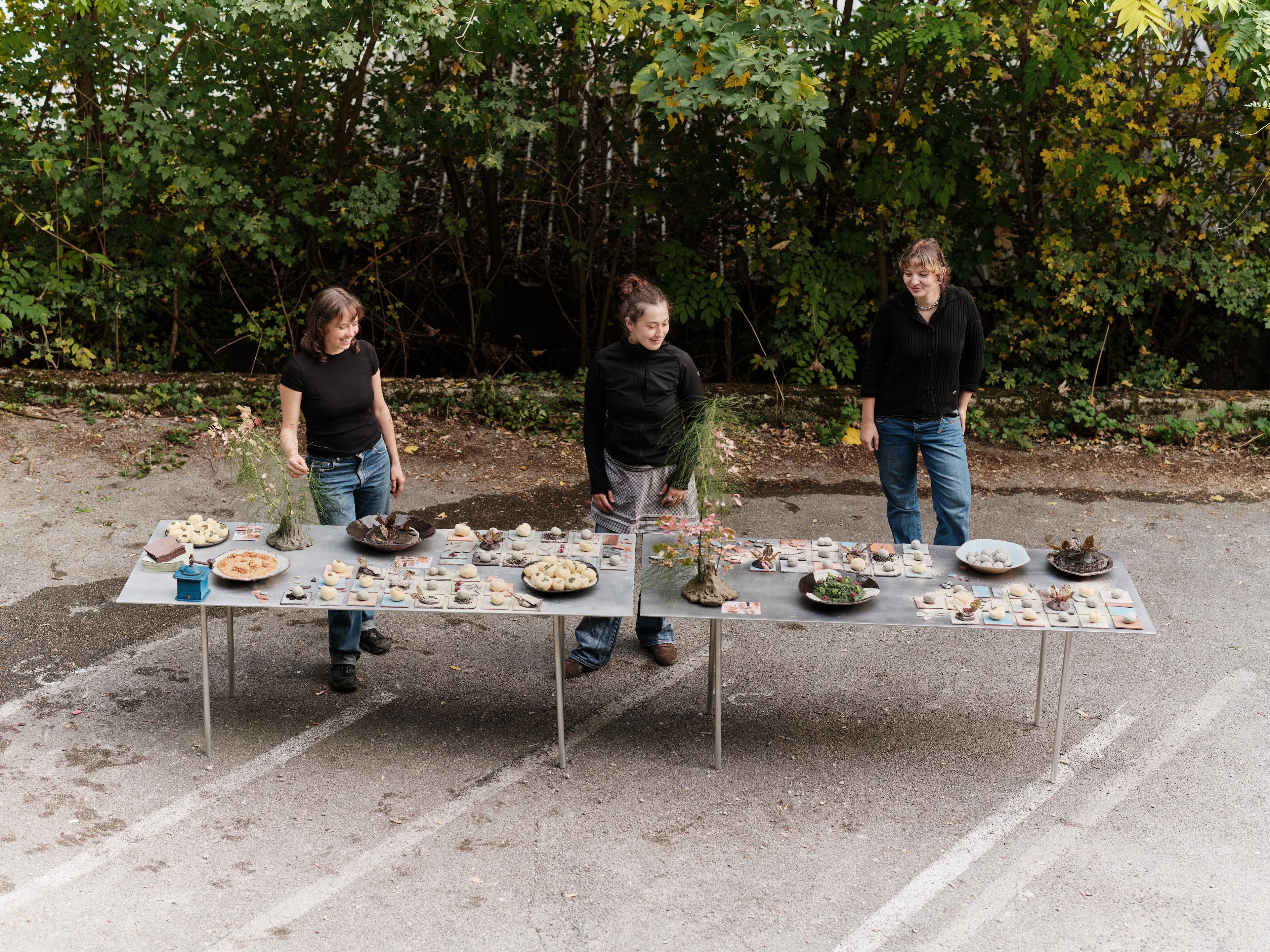
Resourcefulness is at the heart of how we understand Slovenian heritage, culture and expression. While our lives look very different from those of our grandparents, the habit of making the most of what is available is left over. An everyday example of this is the traditional Slovenian food: potatoes, grains, milk products, pork cracklings and home-grown vegetables, with almost every part used and little wasted. These ingredients, often in the form of stews and porridges, are not uniquely Slovenian, but belong to farmers and working people. Tradition, then, is not fixed within borders or preserved unchanged in the past, but shaped by shared experiences adapting, exchanging, changing.
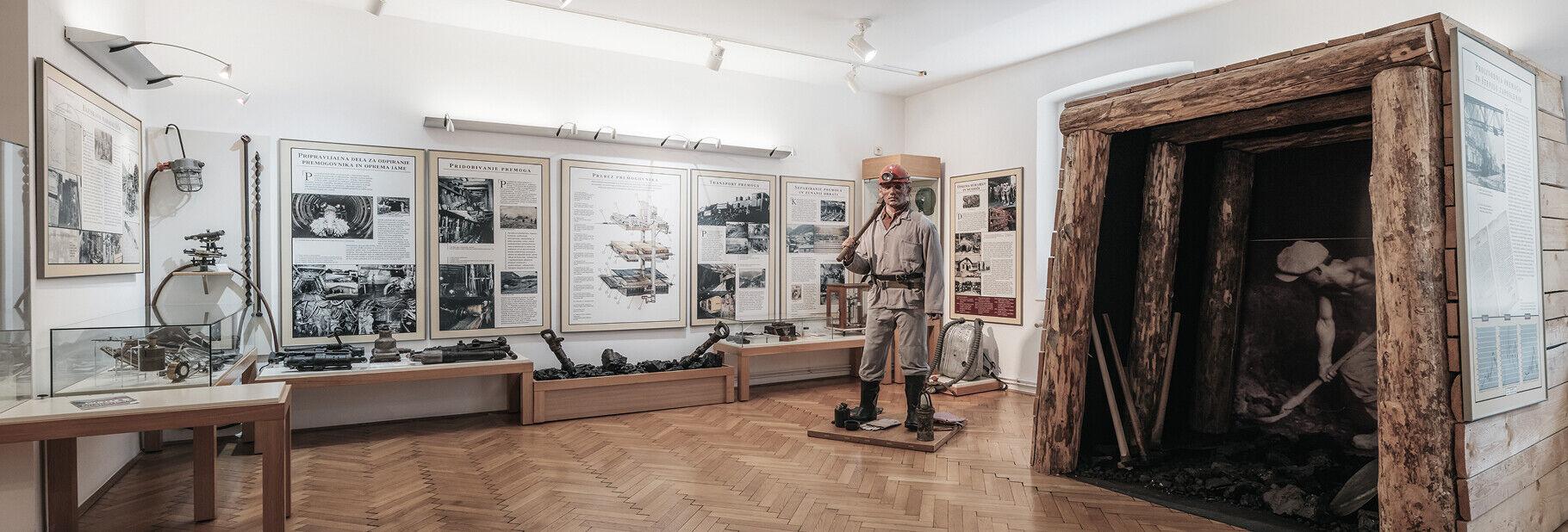
In Trbovlje, this resourcefulness became especially visible in every aspect of life. The town grew around the need for labour to transform local natural resources, owned largely by non-local investors. Families settled in workers’ colonies, sharing kitchens, ovens, infrastructure, food, skills and cultures. Women were central to sustaining these communities through both domestic and industrial labour, while also organising first worker’s protests and resistance movements - an important part of Trbovlje’s identity to this day. After gaining the right to vote in 1945, women entered industrial work in large numbers, including Zasavje’s “women’s factories”, gaining economic independence while continuing to sustain households and communities.
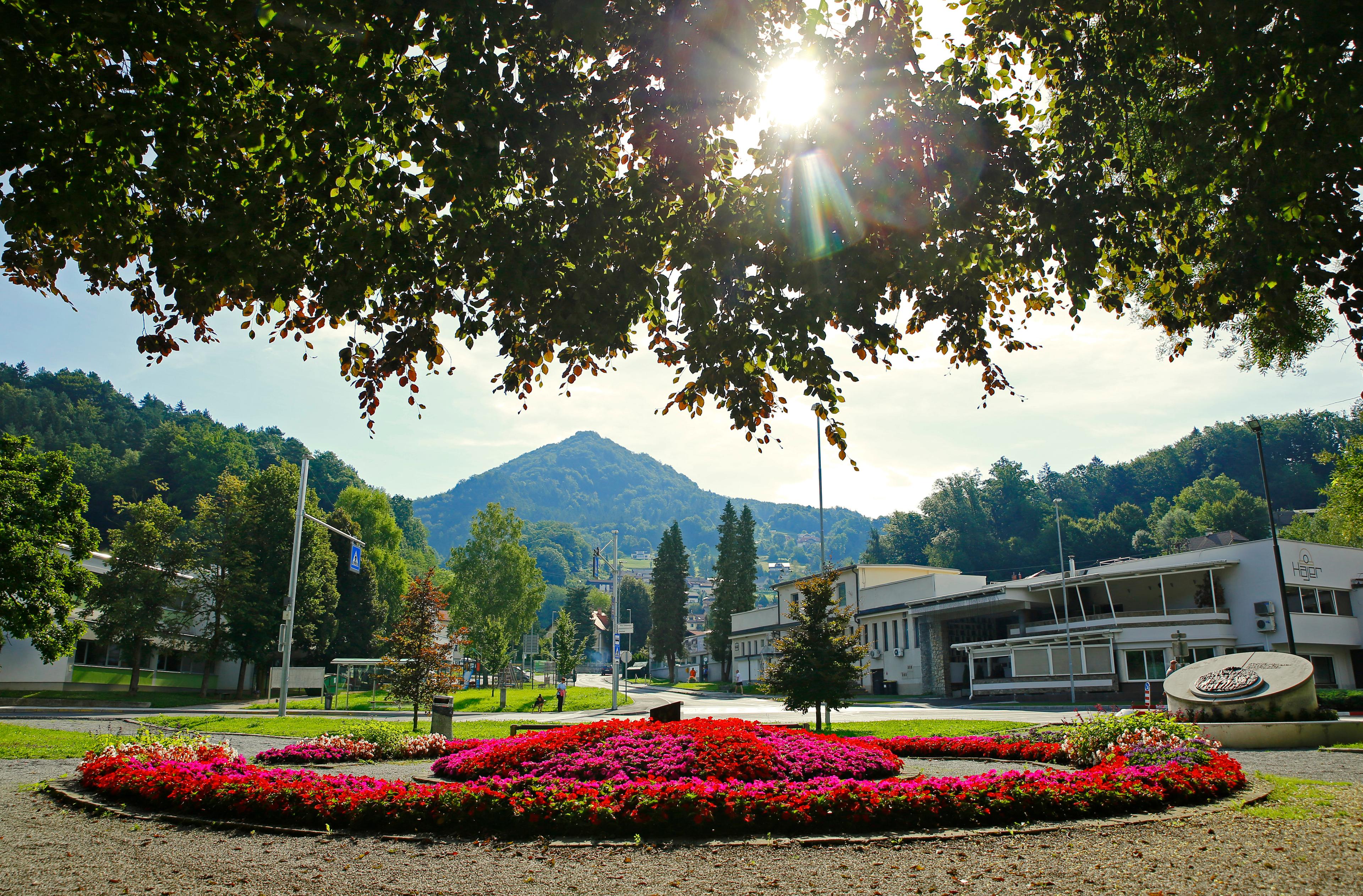
Within this landscape, we look at Mehanika, an abandoned former female factory in the centre of Trbovlje. Around it, quarries cut into the surrounding hills, concrete industrial buildings sit alongside socialist architecture, small communal gardens grow between housing blocks, and steampunk sculptures made from mining remains, all coming together in one landscape.
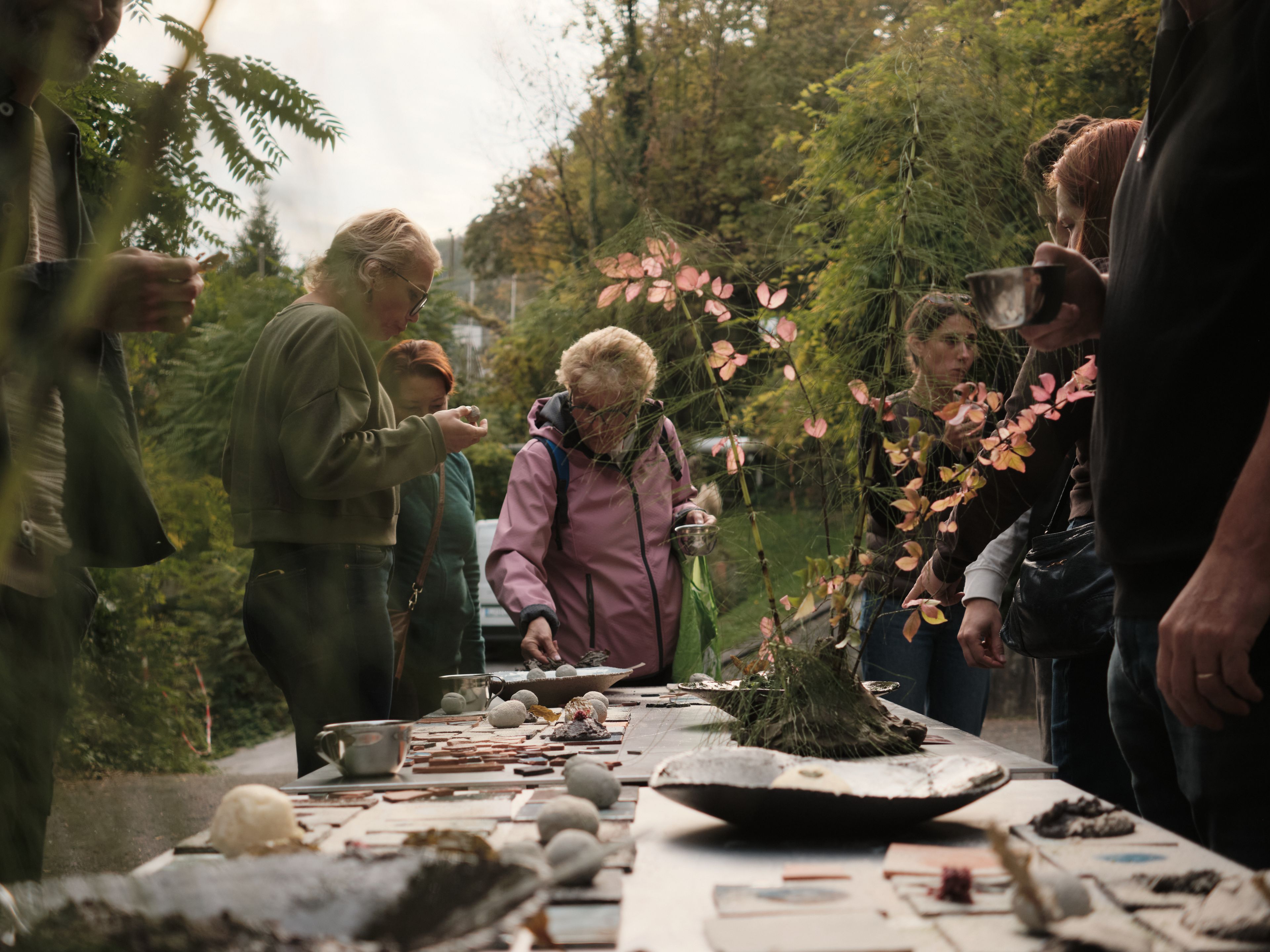
Our portable kitchen and pantry extend this culture of resourcefulness through materials found, foraged, scavenged, gleaned or dug up around Mehanika. Wild plants become food and medicine, local clay becomes tableware, and discarded factory materials become furniture and infrastructure. Through foraging, ceramics and cooking - practices and hand skills historically associated with women - we work with soil, plants and food to honour our heritage and tell the stories these materials hold.